
Blog - Medical Aesthetic Center
Microneedling vs Chemical Peels: Which Is Right for You?
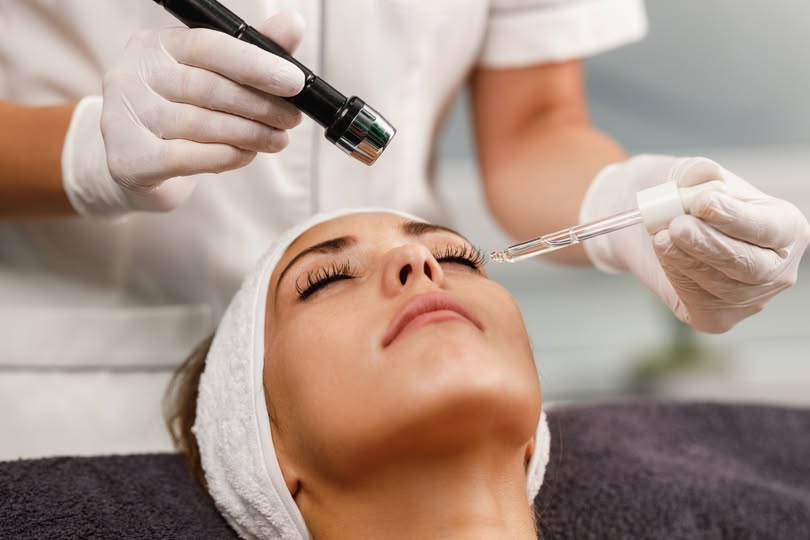
If you're looking to improve your skin's appearance, both microneedling and chemical peels are popular treatments that can deliver impressive results. While each treatment targets common skin concerns, they work in different ways. Understanding the differences can help you choose the option that best suits your skincare goals.
Microneedling uses tiny, sterile needles to create controlled micro-injuries in the skin. This process stimulates your body's natural collagen and elastin production, helping to improve skin texture, reduce fine lines, minimize acne scars, and create a firmer, smoother complexion. Because it encourages natural skin renewal, results continue to improve over time with a series of treatments.
Chemical peels work by applying a specialized solution that exfoliates the outer layers of the skin. As the damaged skin peels away, healthier, brighter skin is revealed underneath. Chemical peels are often recommended for uneven skin tone, sun damage, pigmentation, mild acne, and dull-looking skin. They are available in varying strengths depending on your skin type and desired results.
Choosing between microneedling and a chemical peel depends on your individual concerns. If your primary goals are improving skin texture, reducing acne scars, or boosting collagen production, microneedling may be the better choice. If you are focused on brightening your complexion, improving pigmentation, or refreshing the skin's surface, a chemical peel may provide the results you're looking for. In some cases, your provider may recommend combining both treatments as part of a personalized skincare plan.
The professional and highly skilled team from Medical Aesthetic Center is here to help with your beauty needs. We will assess your skin, discuss your goals, and recommend the most effective treatment to help you achieve healthy, radiant skin. Contact us today to schedule your personalized consultation.

Financing Available
We have deferred interest financing options and we can get you pre-approved with no credit check.